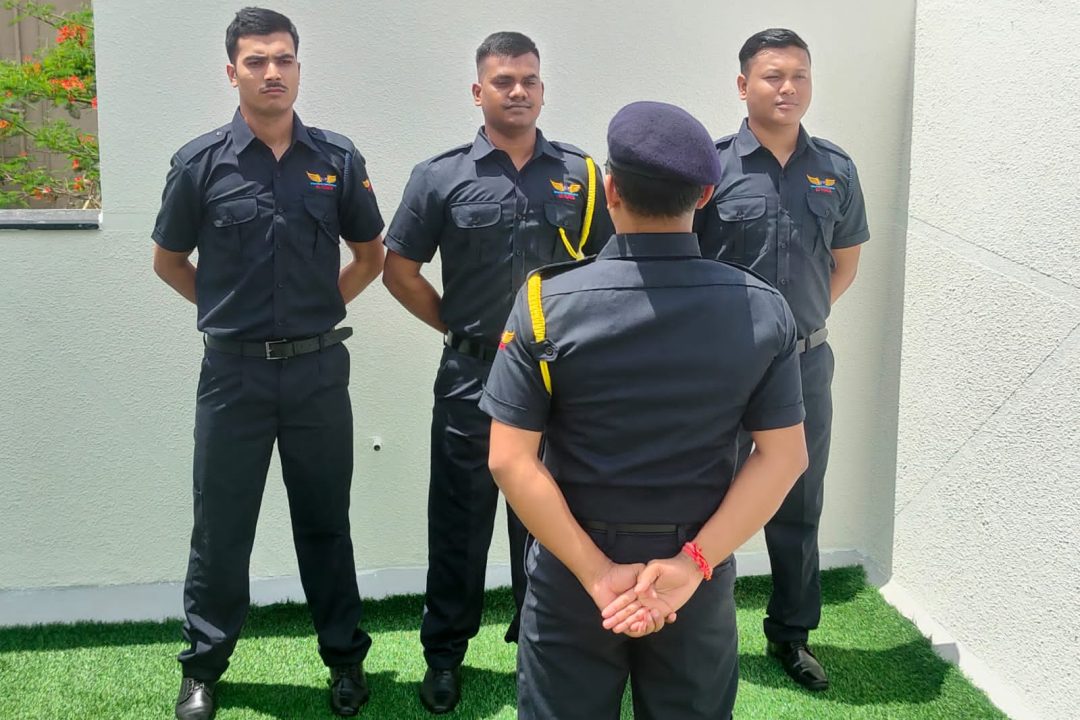
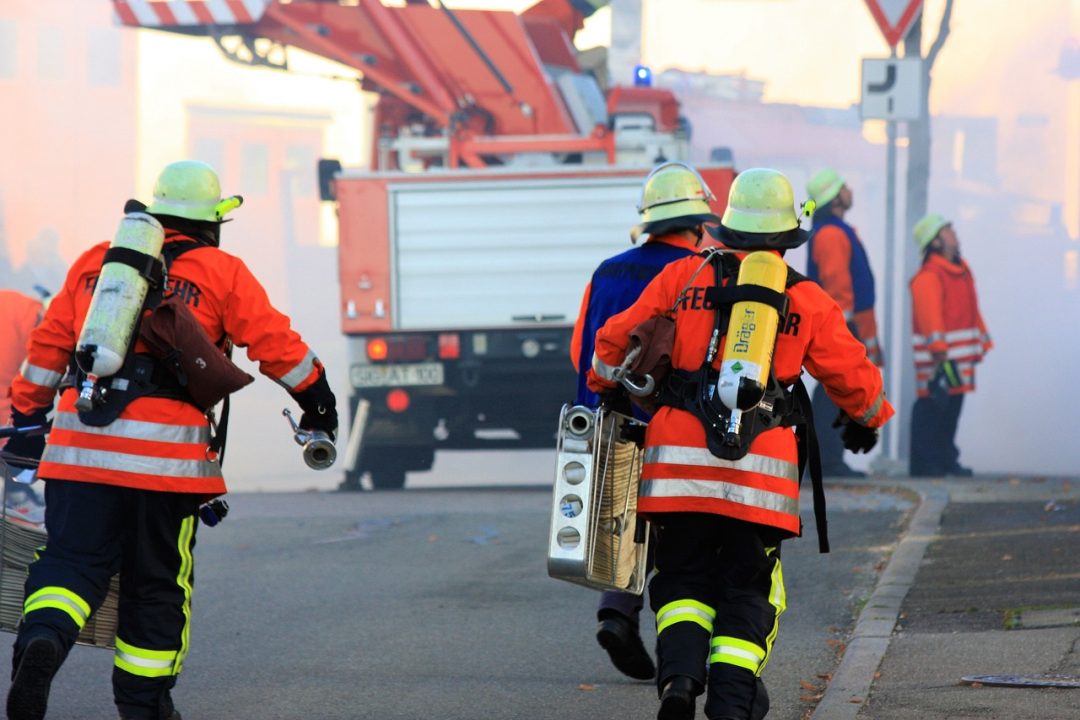
Basic Security and Patrol Techniques Patrolling: Teach guards how to perform routine patrols effectively, including monitoring entry points, perimeters, and sensitive areas.Observation Skills: Train them to notice unusual activities, suspicious behavior, and potential security threats.Incident Reporting: Provide guidance on documenting and reporting incidents accurately and promptly. Access Control and Crowd Management Access Control Systems: Train guards to use systems like RFID, biometric scanners, and visitor logs.Entry/Exit Procedures: Ensure guards can manage and control the flow of people and vehicles efficiently.Crowd Control: Equip them with techniques to manage large crowds during events or emergencies, preventing stampedes or chaos. Emergency Response Training Fire Safety: Teach guards how to use fire extinguishers, alarms, and evacuation protocols.First Aid: Provide basic first-aid training, including CPR and handling injuries.Evacuation Procedures: Train them on proper evacuation techniques and crowd management during emergencies like earthquakes or bomb threats. Conflict Resolution and De-escalation Communication Skills: Emphasize calm and effective communication to resolve disputes.De-escalation Techniques: Teach strategies to defuse tense situations without resorting to physical force.Behavioral Analysis: Help guards identify signs of aggression or distress to respond appropriately. Self-Defense and Physical Fitness Self-Defense Training: Provide basic martial arts or self-defense skills to handle physical threats.Physical Fitness Programs: Encourage regular fitness routines to ensure guards are physically capable of performing their duties. Legal Knowledge Understanding Laws: Educate guards on local laws, rights of individuals, and the scope of their authority.Use of Force: Train them on the appropriate and lawful use of force in various scenarios.Liability Awareness: Make them aware of legal consequences for negligence or misconduct.